Common Zebra Scanner Problems and Why Third-Party Repair Support Matters
May 26, 2026
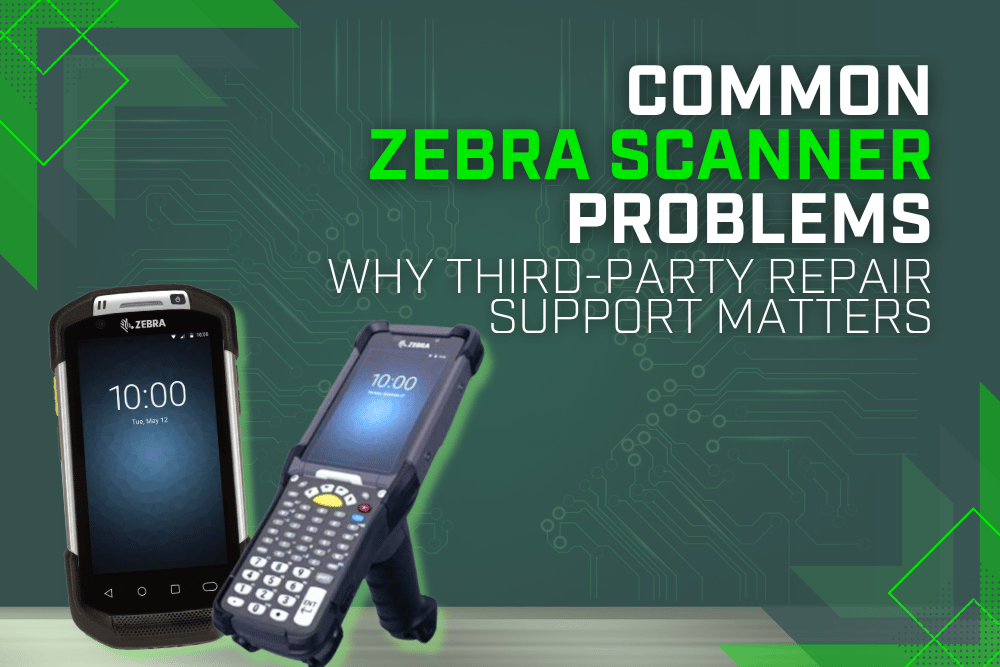
Zebra scanners, mobile computers, and printers play a key role in retail, logistics, warehousing, transportation, and fulfillment operations. From scanning inventory and tracking shipments to printing labels and supporting real-time workflows, Zebra devices help to keep daily operations moving.
But even rugged Zebra hardware is not immune to wear and tear.
Broken screens, failed scan engines, Wi-Fi issues, damaged triggers, and cracked casings can quickly slow teams down. For companies operating across multiple locations, failed scanners can create more than a minor inconvenience. It can delay orders, disrupt workflows, and increase pressure on already busy IT teams.
That is why having a reliable third-party repair partner is so important.
Mercom helps organizations repair, maintain, and extend the life of their Zebra hardware, keeping devices in service longer and reducing the need for costly replacements.
Common Zebra Devices Mercom Repairs
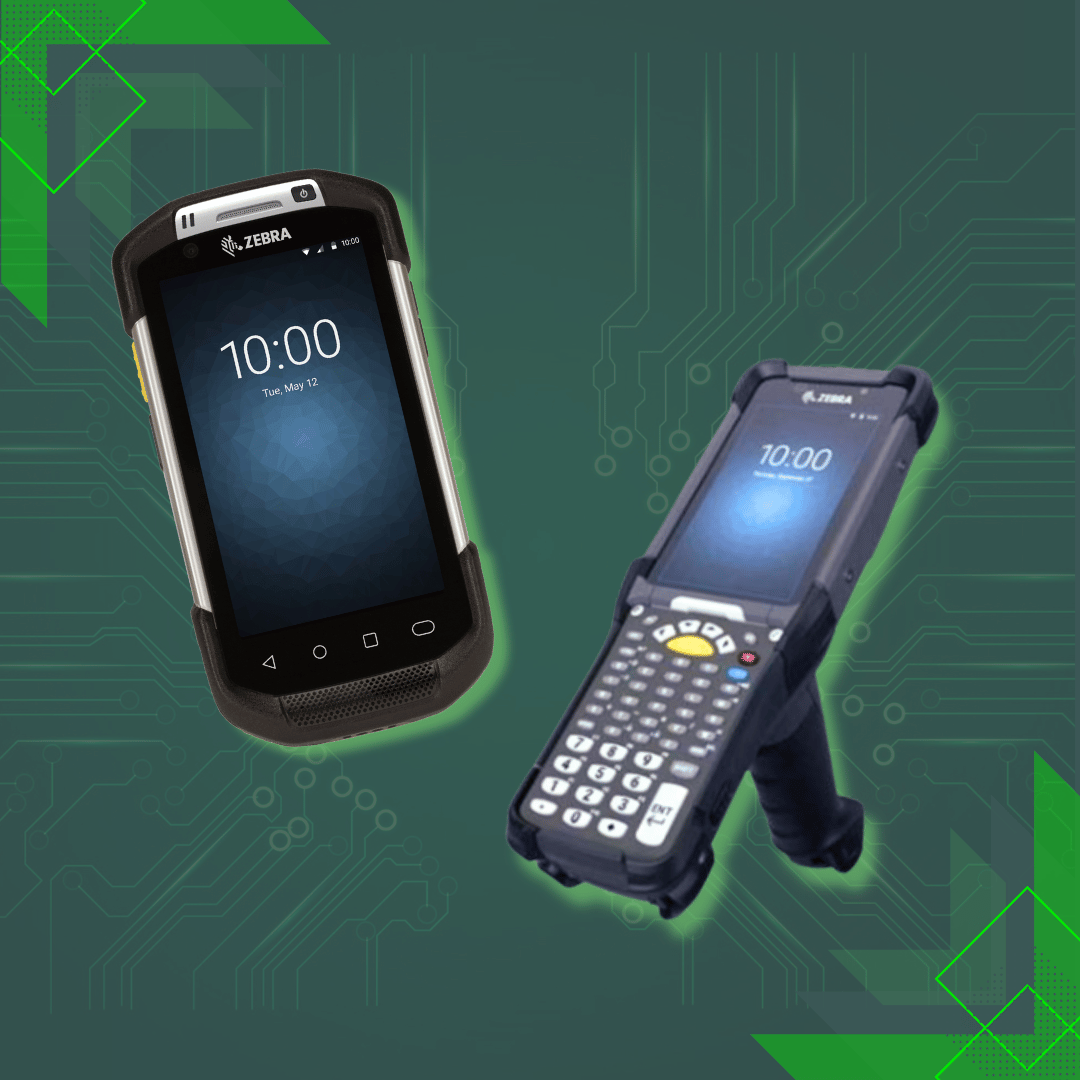
Mercom repairs a wide range of Zebra scanners, mobile computers, wearable devices, vehicle-mounted computers, and printers. Common Zebra scanner and mobile computer models include:
- MC92N0
- MC9300
- MC9400
- MC3300
- TC72
- TC77
- TC52
- TC56
- TC8000
- RS407
- RS507
- RS6080
- WT41 Series
- WT63 Series
- VC70N0
- VC8300
Mercom also repairs Zebra printer models such as:
- QLn320
- QLn420
- ZQ52 Series
- ZQ62 Series
- ZQ63 Series
- ZT410
- ZT411
- ZT610
These devices are designed for demanding work environments, but daily use in warehouses, stores, trucks, and fulfillment centers can eventually lead to failure.
Common Zebra Scanner Problems
Zebra scanners are built to work hard, but high-volume use can create recurring hardware issues. Some of the most common problems Mercom can repair include:
Broken Screens
Drops, impacts, and rough handling can crack or damage scanner screens. A broken screen can make it difficult for employee to read prompts, enter information, or complete scanning workflows accurately.
Wi-Fi Connectivity Issues
Reliable Wi-Fi is essential for real-time inventory, fulfillment, and logistics operations. When a scanner cannot connect properly, employees may lose access to critical systems, slowing productivity across the floor.
Failure to Scan
A scanner that will not read barcodes can bring key workflows to a stop. This may be caused by a damaged scan engine, internal component failure, or other hardware issues.
Broken Buttons and Triggers
Scan buttons and triggers are among the most heavily used parts of a device. Over time, they can wear out, become unresponsive, or break entirely.
Bad Keyboards
For Zebra models with physical keyboards, damaged keys can make data entry frustrating and inefficient. In environments where speed and accuracy matter, keyboard failure can quickly become a productivity issue.
Broken Plastic Casings
Cracked or damaged casings do more than affect appearance. They can expose internal components to dust, moisture, and further damage, increasing the risk of future failure.
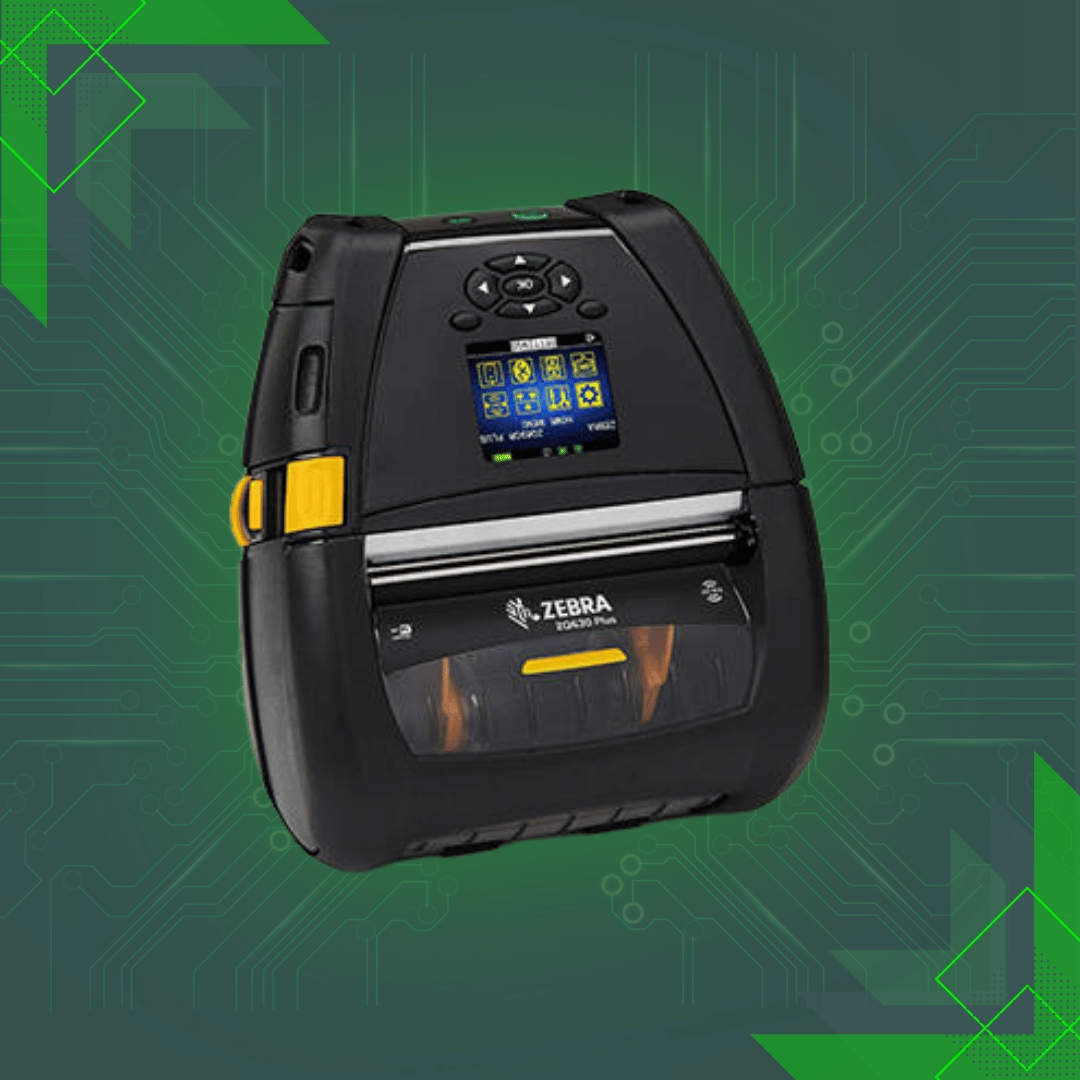
Common Zebra Printer Problems
Zebra printers are just as important to daily operations as scanners. When labeling slows down, shipping, receiving, inventory, and fulfillment can all be affected.
Mercom repairs common Zebra printer issues, such as:
- Poor print quality
- Paper jams
- Wi-Fi connectivity issues
- Failure to print
- Broken plastic casings
For high-volume operations, fast printer repair can help prevent bottlenecks and keep products moving.
Why End-of-Service-Life Makes Repair Even More Important
Zebra devices often remain useful long after the manufacturer’s official support timeline ends. As Mercom discussed in a previous blog on End of Service Life for Zebra Scanners, EOSL means Zebra no longer provides hardware support, firmware updates, or repairs for certain models. However, that does not automatically mean the device has to be replaced.
Many EOSL Zebra scanners continue to perform reliably in warehouses, retail stores, distribution centers, and field operations. The challenge is finding a repair partner that can continue supporting those devices after OEM support ends.
That is where third-party repair becomes a practical and cost-effective solution.
Mercom continues to support many Zebra models that are at or approaching EOSL, helping businesses avoid unnecessary hardware turnover and extend the value of equipment they already own.

The Benefits of Working with a Third-Party Repair Company
Many businesses assume their only options are manufacturer repair or full replacement. In reality, a third-party repair partner can provide more flexibility, faster support, and better long-term value.
Reduced Downtime - When scanners fail, operations slow down. Mercom helps reduce downtime by repairing devices quickly and, in some programs, supporting replacement pools so locations can keep working while failed units are repaired.
Lower Replacement Costs - Replacing Zebra scanners across a large fleet can be expensive. Repairing devices extends their usable life and helps companies delay large capital expenditures.
Support for Out-of-Warranty and EOSL Devices - Once devices fall outside the manufacturer’s warranty or reach EOSL, companies still need a way to keep them running. Mercom helps fill that support gap with repair and refurbishment services.
Greater Fleet Consistency - Replacing devices too quickly can create mixed fleets with different models, software requirements, accessories, and user training needs. Repair allows companies to keep proven devices in the field longer and maintain consistency across locations.
More Flexible Service Programs - Third-party repair support can be structured around a business's operating model. That may include support for the RMA portal, device configuration, spare pool management, and same-day replacement shipments.
Supporting Zebra TC56 Scanners for CDS Logistics
Mercom recently signed a contract with CDS Logistics, a fulfillment and delivery company with approximately 200 locations. CDS uses about 500 Zebra TC56 scanners across its operations.
To support the program, Mercom stocks a supply of TC56 devices. When a scanner fails in the field, CDS notifies Mercom through the RMA Portal. Mercom then ships a replacement scanner to the specific location the same day. Before shipment, each device is configured and programmed with CDS-specific software.
The failed device is then shipped back to Mercom, repaired, and returned to the replacement inventory pool for future use. This creates a continuous repair-and-redeployment cycle that helps CDS reduce downtime, control costs, and keep locations operating efficiently.
The contract is ongoing, with the potential to expand to additional Zebra scanners once those devices come out of warranty.
Repair Is Part of a Smarter IT Lifecycle Strategy
Zebra scanner repair is not just about fixing broken hardware. It is part of a larger IT lifecycle strategy.
A repair-first approach helps businesses:
- Extend the life of existing hardware
- Reduce unnecessary replacements
- Keep devices consistent across locations
- Lower total cost of ownership total.
- Sustain productivity during supply chain interruptions
- Support devices after OEM coverage ends
For organizations with large Zebra fleets, this approach can make IT operations more predictable and cost-effective.
Mercom provides repair and lifecycle support for Zebra scanners, mobile computers, printers, and related IT hardware. From common repairs like broken screens and failed triggers to larger fleet support programs, Mercom helps businesses keep critical devices working longer.
Whether your Zebra devices are still under warranty, coming out of warranty, or already past manufacturer support, Mercom can help you build a repair strategy that protects uptime and reduces replacement costs. Try us for free and see how top brands have relied on Mercom to keep their IT on.