How to Effectively Manage IT Fleets Across Retail Chains
February 26, 2026
Managing thousands of devices across dozens, or even hundreds, of retail locations is no small task. POS systems and barcode hardware, whether used in stores or distribution centers, are highly distributed, business-critical, and constantly under pressure. When devices fail, stores lose productivity, customer experience suffers, and operational costs climb.
This is where effective IT fleet management becomes a strategic advantage rather than a back-office function. For large retail chains, the right approach to managing, repairing, and extending the life of IT assets can significantly reduce downtime, control costs, and support long-term scalability. This article explores the challenges of retail IT fleet management and outlines proven strategies to keep your fleet performing at its best.
What Is IT Fleet Management in Retail?
IT fleet management refers to the end-to-end oversight of an organization’s hardware assets throughout their entire lifecycle. In a retail chain environment, this includes procurement, configuration, deployment, monitoring, maintenance, repair, refurbishment, and eventual retirement of devices across all locations.
Unlike centralized corporate IT environments, retail fleets are geographically dispersed and often operate in demanding conditions. Devices are used continuously by frontline staff, exposed to physical wear and tear, and expected to perform with minimal tolerance for downtime. Effective IT fleet management ensures every device is accounted for, supported, and optimized to meet operational demands, store by store, region by region.
Why Retail IT Fleets Are Hard to Control at Scale
Retail chains face unique challenges when managing IT fleets at scale. As the number of locations grows, complexity increases exponentially.
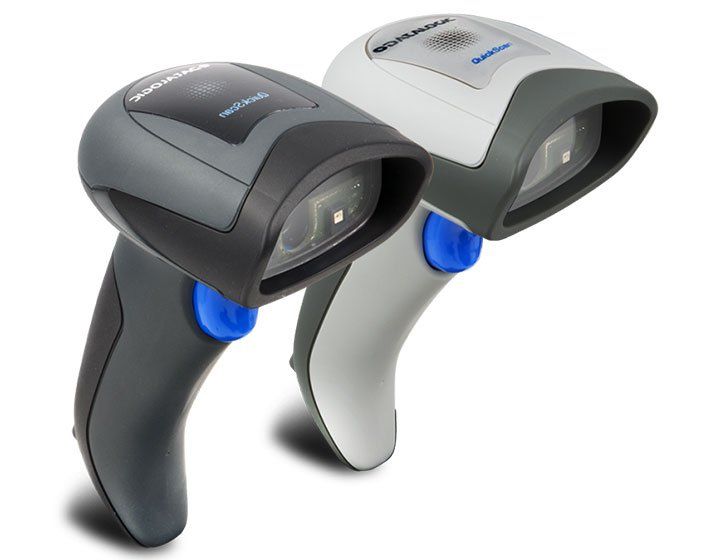
First, geographic distribution makes consistency difficult. Different stores may operate with varying device models, configurations, or support processes, leading to fragmented visibility and inconsistent performance. Second, retail environments experience high device utilization. Handheld devices, printers, tablets and POS terminals, are mission-critical and often used across multiple shifts, accelerating wear and failure rates.
Additionally,
many retailers rely on decentralized or ad hoc repair processes, shipping devices to multiple vendors or replacing equipment outright rather than repairing it. This lack of standardization makes it harder to track assets, forecast costs, and maintain predictable uptime across the fleet.
The Hidden Costs of Poor IT Fleet Management
The true cost of ineffective IT fleet management extends far beyond the price of replacement hardware. Downtime is one of the most immediate and visible impacts. When a POS system or barcode equipment goes offline, transactions slow, inventory accuracy drops, and customer satisfaction declines.
There are also less obvious financial drains. Emergency replacements, expedited shipping, and excess spare inventory all add up. Poor lifecycle planning often results in devices being retired prematurely, even when they could have been repaired or refurbished at a fraction of the cost.
Operationally, IT teams spend more time reacting to failures instead of focusing on strategic initiatives. Without accurate asset tracking and performance data, budgeting becomes guesswork, and long-term technology planning suffers.

Core Components of Effective IT Fleet Management
Successful IT fleet management for retail chains is built on several foundational components.
First is lifecycle visibility. Retailers need a clear understanding of where every device is, its condition, and its stage in the lifecycle. This enables better forecasting, replacement planning, and utilization optimization.
Second is standardized repair and maintenance. A consistent, centralized approach to
hardware repair reduces variability, improves turnaround times, and ensures repairs meet enterprise-quality standards.
Third is asset recovery and refurbishment. Rather than defaulting to replacement, effective fleet management prioritizes extending
asset life through certified repair and refurbishment, reducing total cost of ownership.
Finally, integration with operational workflows is critical. IT fleet management should align with store operations, supply chain processes, and deployment schedules to minimize disruption and maximize uptime.
How Centralized Repair Improves Fleet Uptime
Centralized repair is one of the most impactful strategies for improving retail IT fleet uptime. By consolidating repair services through a single, specialized depot repair partner, retailers gain consistency, speed, and accountability.
Centralized repair enables standardized diagnostics, parts management, and quality control across the entire fleet. Devices are repaired to the same specifications every time, regardless of where they originated. This reduces repeat failures and ensures predictable performance once devices are redeployed.
Additionally, centralized repair supports better data collection. Repair trends, failure rates, and component-level insights help retailers identify systemic issues and make more informed decisions about device selection and lifecycle planning.
Best Practices for Managing Retail IT Fleets
Retailers that excel at IT fleet management typically follow a set of proven best practices.
They standardize hardware models wherever possible to simplify support and spare parts management. They implement clear processes for device intake, repair, and redeployment to minimize downtime. They also prioritize maintenance and lifecycle assessments rather than waiting for failures to occur.
Another key best practice is partnering with experts who understand retail environments. Internal IT teams are often stretched thin; outsourcing specialized repair and lifecycle services allows retailers to focus on core business operations while ensuring their IT fleet remains reliable and cost-effective.
Choosing the Right IT Fleet Management Partner
Not all IT fleet management providers are created equal. Many focus primarily on software and asset tracking, leaving retailers to manage repairs, refurbishment, and logistics on their own.
The right partner should offer hands-on, hardware-centric expertise. Look for a provider with proven experience supporting large retail chains, a centralized depot repair operation, and the ability to handle diverse device types at scale. Transparency, reporting, and a commitment to extending asset life, not just replacing equipment, are also critical differentiators.
With over 30 years of experience supporting enterprise retailers,
Mercom provides comprehensive IT fleet management services that go beyond tracking. From centralized depot repair and certified refurbishment to staging, deployment, and asset management, Mercom helps retailers reduce downtime, control costs, and keep their technology running reliably across every location.
Get Expert Help Managing Your IT Fleet Today
Effective IT fleet management is essential for retail chains that want to scale efficiently, protect margins, and deliver consistent customer experiences. By addressing hidden costs, standardizing repair processes, and partnering with a trusted hardware lifecycle expert, retailers can turn IT fleet management into a competitive advantage.
If you'd like to find out more about how to improve IT fleet management across your retail locations, or if you have specific challenges you’d like to discuss, don’t delay, contact the team at Mercom today. Take advantage of our
free trial and discover how centralized repair and lifecycle services can improve fleet uptime and extend the life of your retail IT assets.